
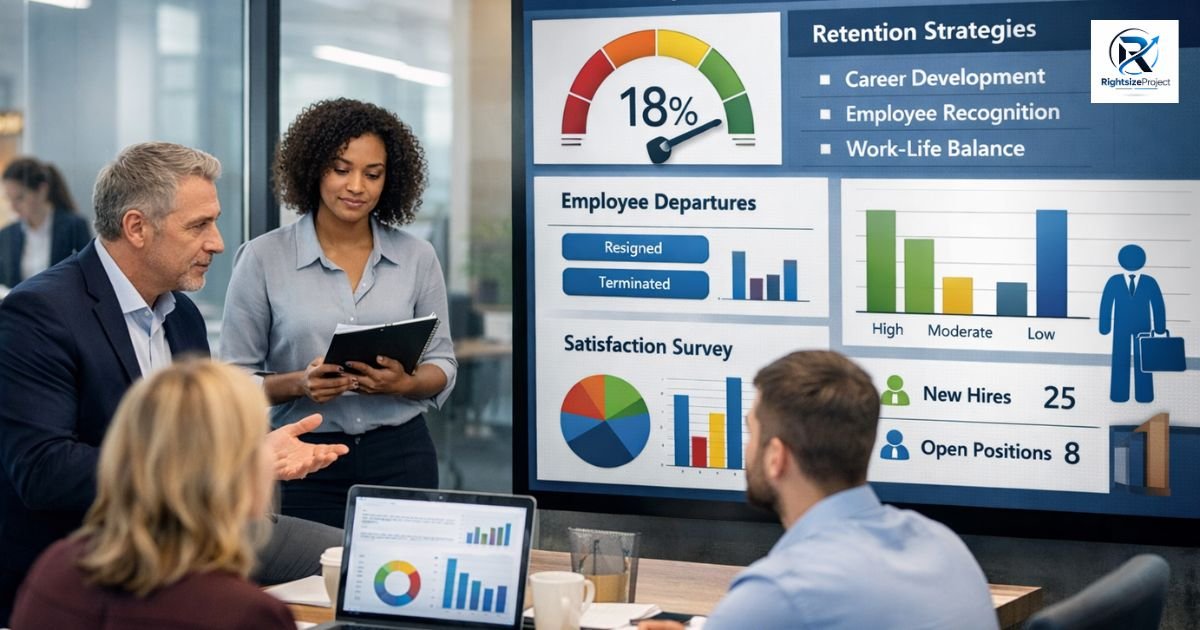
Attrition can be a silent killer in organizations, quietly eroding morale and productivity. When employees leave—whether voluntarily or involuntarily—it creates ripples through the workplace that can affect everyone. Understanding attrity challenges is essential for any leader who wants to maintain a thriving team.
As companies navigate these turbulent waters, recognizing the difference between attrities and common issues like burnout is crucial. This journey involves diving deep into root causes, identifying triggers, and implementing strategies to retain talent effectively. Join us as we explore how to tackle these challenges head-on and foster an environment where employees want to stay and grow.
Navigating the Challenges of Attrities in Your Organization
Navigating the challenges of attrities requires a proactive approach. It’s not just about filling positions when they become vacant; it’s about understanding why employees choose to leave in the first place. Organizations must create an environment that encourages open communication and feedback.
Retention starts with building strong relationships within teams. Engaged employees are less likely to seek opportunities elsewhere, so fostering a positive workplace culture is essential. This means recognizing achievements, providing growth opportunities, and addressing concerns promptly.
Data-driven strategies can also play a significant role in managing attrition rates effectively. Analyzing turnover trends helps identify patterns that need attention, allowing organizations to tailor their retention efforts accordingly. Understanding these dynamics creates a more resilient workforce.
Attrities and Arthritis: Understanding the Key Differences
Attrities and arthritis often get confused, but they refer to very different issues. Attrities is a term used in the workplace context, focusing on employee turnover and retention challenges. It affects organizational dynamics, culture, and productivity.
On the other hand, arthritis is a medical condition that impacts the joints. It leads to pain and inflammation, affecting physical health rather than workplace performance.
Understanding these differences is crucial for both employees and management. While attrities can influence company morale and efficiency, arthritis pertains more to individual health concerns that may need consideration in employee wellness programs.
The Impact of Attrities on Organizational Performance
Attrities can significantly hinder organizational performance. When employees leave, the company loses valuable skills and knowledge that are difficult to replace quickly. This gap can disrupt workflows and lead to decreased productivity.
Moreover, high attrition rates often create a sense of instability among remaining staff. Employees may feel uncertain about their own job security or become disengaged from their roles, leading to further declines in morale.
Additionally, organizations face increased costs related to hiring and training new employees. The time spent onboarding newcomers diverts resources away from core business activities, potentially impacting overall success and growth.
Identifying and Managing Attrition in the Workplace
Identifying attrition in the workplace starts with understanding employee turnover. High turnover rates can signal deeper issues within your organization. Regularly analyzing exit interviews helps pinpoint reasons behind departures, shedding light on underlying problems.
Once you’ve identified patterns, it’s crucial to manage them effectively. Open communication channels allow employees to voice concerns before they decide to leave. Implementing regular feedback sessions encourages a culture of transparency and trust.
Investing in employee development is another effective strategy for managing attrition. Providing training opportunities and career advancement options shows that you value your workforce, keeping morale high while fostering loyalty among team members.
Root Causes and Triggers of Attrities in Organizations
Attrities in organizations often stem from a variety of root causes. One common factor is poor management practices, which can create an environment where employees feel undervalued or unsupported. When leadership fails to recognize the contributions of team members, disengagement can quickly follow.
Another significant trigger is lack of career advancement opportunities. Employees who see no clear path for growth may seek positions elsewhere, feeling stagnant in their current roles. This perception can be detrimental to organizational loyalty.
Workplace culture also plays a crucial role in attrition rates. A toxic environment marked by negativity or conflicts discourages collaboration and drives talent away, making it essential for organizations to foster positivity and inclusion.
Effective Strategies for Reducing Attrition Rates
Reducing attrition rates requires a proactive approach. Start by fostering open communication channels. Encourage employees to voice their concerns and ideas, creating a culture of trust.
Next, invest in employee development programs. Continuous learning opportunities not only enhance skills but also show that you value your team’s growth and aspirations.
Recognize and reward achievements regularly. Acknowledging hard work boosts morale and reinforces loyalty within the organization. By implementing these strategies, organizations can create an environment where employees feel valued and motivated to stay long-term.
Developing and Implementing a Successful Retention Plan
Developing a successful retention plan begins with understanding your workforce. Engage employees through surveys and feedback sessions to gather insights about their needs and concerns. This information will guide you in tailoring strategies that resonate.
Next, focus on creating a supportive environment. Foster open communication, recognize achievements, and offer opportunities for growth. Employees are more likely to stay when they feel valued and see a clear path forward.
Implementation requires dedication from all levels of management. Set measurable goals and regularly assess the effectiveness of your initiatives. Adapt as needed to keep pace with changing employee expectations and market dynamics, ensuring your retention efforts remain relevant.
Leadership’s Role in Mitigating Attrition Challenges
Effective leadership is crucial in addressing attrities within an organization. Leaders set the tone and culture, making it essential for them to engage with employees regularly. Open communication fosters trust, ensuring that team members feel valued.
Leaders must also recognize the signs of attrition early on. By actively listening to employee concerns and feedback, they can identify underlying issues before they escalate. This proactive approach helps create a supportive environment where people want to stay.
Additionally, leaders should champion development opportunities that align with employees’ career goals. Investing in growth not only boosts morale but also enhances loyalty, making team members less likely to seek opportunities elsewhere.
Measuring and Monitoring Success in Attrition Management
Measuring success in attrition management requires clear metrics. Start with turnover rates to gauge how many employees leave within a specific timeframe. This data provides foundational insight into your organization’s health.
Employee engagement surveys are also essential tools. They reveal how satisfied staff members feel, highlighting areas for improvement and fostering a culture of open communication.
Regularly monitoring these metrics helps organizations identify trends over time. It allows leaders to adjust strategies proactively, ensuring they address issues before they escalate and create an environment where employees thrive.
Conclusion and Future Outlook for Employee
Addressing attrities in your organization is essential for fostering a healthy workplace environment. As companies navigate these challenges, understanding employee needs and motivations becomes paramount. With the right strategies in place, organizations can create a culture that values retention.
Looking ahead, investing in employee engagement and satisfaction will play a crucial role in reducing attrition rates. By prioritizing communication and support systems, businesses can ensure that their workforce remains committed and motivated. The future holds opportunities for growth as leaders adapt to changing dynamics within the workplace.
By embracing innovative solutions tailored to the unique needs of employees, organizations can develop resilient teams ready to face new challenges head-on. Creating an atmosphere where individuals feel valued not only enhances productivity but also contributes significantly to long-term success.