
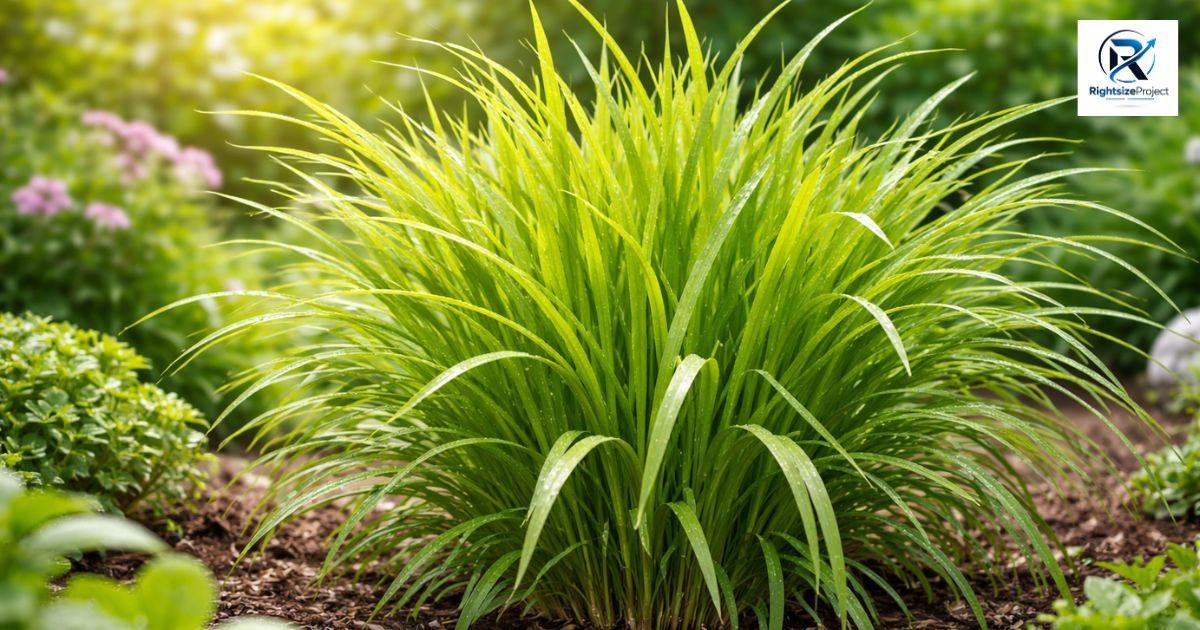
Imagine stepping into your garden and being greeted by the vibrant green of lyposingrass, a plant that not only enhances your outdoor space but also packs a punch when it comes to health benefits. With its unique flavor and myriad uses, this versatile grass is becoming increasingly popular among gardeners and health enthusiasts alike. Whether you’re an avid gardener looking for new additions or someone curious about natural remedies, lyposingrass deserves your attention. Let’s explore why this remarkable plant should find a home in your garden and how it can enrich your life in ways you never imagined!
The Benefits of Lyposingrass: Why This Plant Should Be in Your Garden
Lyposingrass is more than just a beautiful addition to your garden. This resilient plant thrives in various climates, making it an accessible choice for both novice and experienced gardeners. Its lush appearance can elevate the aesthetic of any outdoor space while providing a natural habitat for beneficial insects.
Beyond its visual appeal, lyposingrass boasts impressive nutritional benefits. Packed with vitamins and minerals, it offers antioxidant properties that support overall health. Including this grass in your diet can enhance meals with its distinct flavor while adding essential nutrients.
Moreover, lyposingrass is known for improving soil quality by preventing erosion and promoting biodiversity. It acts as a natural mulch alternative, helping retain moisture and suppress weeds efficiently. By growing lyposingrass, you’re not just enriching your palate; you’re also benefiting the environment around you.
Introduction to Lyposingrass
Lyposingrass is a fascinating plant that has gained attention for its unique qualities. This perennial grass thrives in various climates, making it an excellent choice for gardens around the world. Its vibrant green blades not only add beauty to your outdoor space but also serve numerous practical purposes.
Cultivated primarily for its nutritional properties, lyposingrass is rich in essential vitamins and minerals. Gardeners appreciate its low-maintenance nature, allowing even beginners to grow it successfully without much effort. As more people discover this versatile plant, they are eager to incorporate it into their gardens and diets.
Beyond aesthetics and nutrition, lyposingrass offers environmental benefits as well. It can help improve soil health by preventing erosion and promoting biodiversity. With so many advantages, it’s no wonder that gardeners are increasingly turning to this remarkable grass for their landscaping needs.
Understanding the Nutritional and Health Benefits
Lyposingrass is a powerhouse of nutrients, making it an excellent addition to your diet. Rich in vitamins A and C, this plant boosts your immune system while promoting healthy skin. These antioxidants help combat free radicals, supporting overall health.
Beyond vitamins, lyposingrass contains essential minerals like potassium and magnesium. These minerals are vital for heart health and muscle function. Including them in your meals can aid in maintaining optimal bodily functions.
The presence of dietary fiber adds another layer to its benefits. Fiber supports digestive health by regulating bowel movements and keeping you feeling full longer. Incorporating lyposingrass into your dishes not only enhances flavor but also fortifies nutritional value significantly.
How to Grow and Use Lyposingrass at Home
Growing lyposingrass at home is a rewarding endeavor. Start by selecting a sunny spot in your garden or on your balcony. This plant thrives in well-drained soil, so ensure proper drainage to avoid soggy roots. Plant seeds about half an inch deep, spacing them around 12 inches apart for optimal growth.
Water the seedlings regularly but don’t overdo it—keeping the soil moist is key. As they grow, you can trim back the leaves to encourage bushier growth and prevent any overcrowding. Lyposingrass typically flourishes within three to four months.
Using lyposingrass in your kitchen opens up a world of flavors. You can steep its leaves in hot water for soothing teas or incorporate it into salads and soups for added zest. The fresh fragrance enhances various dishes while providing unique health benefits too.
Incorporating Lyposingrass into Your Daily Routine
Adding lyposingrass to your daily routine can be both enjoyable and beneficial. Start by brewing a refreshing tea using fresh or dried leaves. This herbal infusion not only hydrates but also infuses your day with flavor and nutrients.
In the kitchen, lyposingrass works wonders in various dishes. Chop it finely and add it to soups, stir-fries, or salads for a zesty kick. Its unique taste complements proteins like chicken or fish beautifully, enhancing meals with minimal effort.
For those interested in wellness, consider incorporating lyposingrass into smoothies. Blend it with fruits and vegetables for an energizing boost packed with vitamins. Regularly including this plant in your diet may help improve digestion while offering essential antioxidants that support overall health.
Environmental and Agricultural Benefits
Lyposingrass is not just a delightful addition to your garden; it offers remarkable environmental benefits. This resilient plant helps improve soil health by preventing erosion and enhancing nutrient retention. Its deep roots stabilize the ground, making it an excellent choice for areas prone to runoff.
In agricultural settings, Lyposingrass serves as a natural pest deterrent. By attracting beneficial insects while repelling harmful ones, it creates a balanced ecosystem for crops. Farmers can reduce their reliance on chemical pesticides, promoting sustainable practices.
Moreover, Lyposingrass contributes to biodiversity in gardens and farms alike. It provides habitat for various wildlife species and encourages pollination among flowering plants. The presence of this versatile grass enriches both the landscape and local ecosystems significantly.
Challenges, Risks, and Limitations
While lyposingrass is a remarkable addition to any garden, it does come with its share of challenges. For instance, this plant can be sensitive to extreme weather conditions. Too much heat or frost may hinder its growth and overall health.
Pests are another concern for gardeners. While resilient, lyposingrass can attract unwanted insects that may damage the foliage or affect nutrient absorption. Regular monitoring and organic pest control methods are essential for maintaining a healthy crop.
Some individuals might experience allergies when handling or consuming lyposingrass. It’s advisable to test for sensitivities before incorporating it into your meals or skincare routines. Being mindful of these limitations ensures you enjoy the benefits without unexpected complications.
Conclusion: Impact of Lyposingrass in Your Life
The inclusion of lyposingrass in your garden can have a profound impact on both personal well-being and the environment. This versatile plant not only enhances your meals with its unique flavor but also provides numerous health benefits that support overall wellness. By cultivating lyposingrass, you contribute to sustainable gardening practices that benefit local ecosystems.
Integrating this plant into your daily routine allows for creative culinary adventures while promoting healthier eating habits. The environmental advantages—like soil enrichment and pest deterrence—further highlight why it deserves a spot in every home garden.
Embracing lyposingrass can lead to a more vibrant lifestyle filled with fresh flavors and nourishing ingredients. As awareness grows about the importance of biodiversity and sustainable living, incorporating plants like lyposingrass becomes essential for individuals seeking positive change in their lives and surroundings. Your journey with this remarkable plant may just be the beginning of greater health, sustainability, and joy in gardening.